







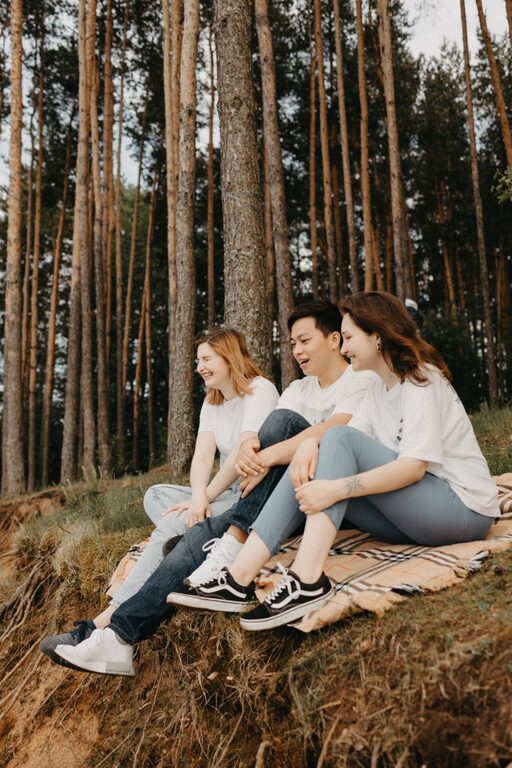
A social weekend filled with movement and fun does not need a packed schedule or expensive plans. With a little preparation, you can create a weekend that helps people connect, try something new, and enjoy time away from their usual routines.
The key is balance. Include a few active plans, but leave room for conversation, rest, and spontaneous decisions. Choose activities that suit the group, make the schedule easy to follow, and focus on shared experiences rather than perfect results.
Start With the Group
Before choosing activities, think about who is coming. A weekend plan works best when everyone feels included and comfortable.
Consider these questions:
– How many people will attend?
– What types of movement do they enjoy?
– Does anyone prefer low-key or beginner-friendly activities?
– Will children, older relatives, or guests with different preferences join?
– What is the group’s budget?
– How far are people willing to travel?
You do not need to create a plan that suits every possible interest. Instead, choose a mix of options. For example, one activity could be a casual walk, another could be a team game, and a third could be an optional class or outing.
It is also helpful to ask the group for input before finalizing the schedule. A quick poll can reveal whether people prefer outdoor activities, creative experiences, friendly competition, or a relaxed gathering.
Build a Simple Weekend Structure
A good weekend usually needs a basic outline rather than a minute-by-minute schedule. Too much structure can make the event feel rushed, while too little planning may lead to confusion.
Try dividing the weekend into three parts:
Friday Evening: Ease Into the Weekend
Start with a relaxed activity that allows everyone to arrive, settle in, and catch up. Good options include:
– A casual dinner
– A walk through a local neighborhood
– An outdoor food market
– Board games or trivia
– A movie night
– A picnic at a nearby park
Friday does not need to be the most active part of the weekend. The goal is to create a comfortable beginning and give people time to connect.
Saturday: Make Movement the Main Event
Saturday is often the best time for a longer activity. Choose something that encourages participation without making the day feel like a competition.
Ideas include:
– A scenic walk or easy hike
– A bike ride on a local trail
– A visit to a climbing center
– A beginner-friendly dance class
– A group paddle or boat outing
– A visit to a large park with walking paths
– A casual game of soccer, volleyball, or frisbee
– A neighborhood photo walk
Plan a break before and after the main activity. People may want time to change clothes, enjoy a meal, or relax. A flexible schedule also makes it easier to adjust if the weather changes or the group wants to spend more time in one place.
Sunday: Keep It Light and Social
Sunday activities can be gentler and shorter. Consider a morning walk, a visit to a local garden, or a relaxed brunch followed by a simple outdoor game.
The final day should help everyone enjoy the last part of the weekend without feeling worn out. If some guests need to leave early, make the main Sunday activity easy to join or skip.
Choose Activities That Encourage Conversation
Movement and social connection work well together when the activity allows people to talk. Long stretches of standing in line or focusing silently on a task may not create the same sense of togetherness.
Choose activities that naturally encourage interaction, such as:
– Partner challenges
– Small-team games
– Guided walks
– Group cooking sessions
– Scavenger hunts
– Casual cycling routes
– Outdoor art or photography projects
A scavenger hunt can be especially useful for mixed groups. Divide guests into small teams and create simple tasks, such as finding a landmark, taking a themed photo, or answering a local history question. Keep the tasks friendly and accessible so the focus stays on fun.
For indoor plans, try activities that let people move at their own pace. A dance workshop, bowling session, or interactive museum can provide structure while leaving room for conversation.
Add Food and Refreshment Stops
Food is an important part of a social weekend. Plan meals and snacks so guests know when they will have time to eat, especially if the group will be outdoors.
Pack simple options such as:
– Sandwiches or wraps
– Fresh fruit
– Granola bars
– Crackers and cheese
– Vegetable snacks
– Water and other beverages
If you are organizing a picnic, ask guests to bring one item each. Use a shared list to prevent everyone from bringing the same type of food.
You can also build food into the schedule by choosing a café near the activity or visiting a local market after a walk. These stops give people a chance to rest and continue conversations in a relaxed setting.
Prepare for Different Energy Levels
Not everyone enjoys the same pace, and that is perfectly normal. A successful weekend gives people choices without making anyone feel left out.
Use these strategies:
– Offer a shorter route alongside a longer route.
– Mark some activities as optional.
– Include seated breaks.
– Avoid making speed or performance the focus.
– Provide alternative plans for people who do not want to participate in one activity.
– Tell guests what to expect before the weekend begins.
For example, during a park outing, some guests might play a team game while others walk, take photos, or organize lunch. Everyone can still be part of the same experience.
Have a Weather Backup Plan
Outdoor plans are enjoyable, but weather can change quickly. Create a backup plan before the weekend begins so you do not have to make every decision at the last minute.
Possible alternatives include:
– An indoor climbing or activity center
– A bowling session
– A cooking or craft workshop
– A museum visit
– A community recreation space
– A home-based game tournament
– A group movie and meal
Choose a backup that is easy to communicate and does not require complicated changes. Let everyone know when the final decision will be made, such as the evening before or a few hours before the activity.
Keep Organization Easy
A simple shared message can make the weekend much easier to manage. Include:
– The schedule
– Meeting points
– Start and end times
– Transportation details
– What to bring
– Meal plans
– Weather updates
– Contact information
Encourage guests to arrive a few minutes early, but avoid creating pressure around exact timing. Leave space between activities so small delays do not affect the entire day.
It may also help to assign small responsibilities. One person can manage directions, another can bring snacks, and someone else can confirm reservations. Sharing tasks keeps the planning from falling to one person.
Focus on the Experience
The best social weekends are not always the ones with the most activities. They are the ones where people feel welcome, included, and free to enjoy the moment.
Choose plans that make it easy to talk, laugh, and explore together. Leave enough open time for an unexpected café stop, a longer conversation, or a change of plans. When movement, food, and relaxation are balanced, a simple weekend can become a memorable shared experience.